
Micro Wedding Venues vs Traditional Spaces: Which Fits Your Guest List Under 50?
- plumcaterers
- Dec 29, 2025
- 5 min read
Love is in the air, and it's getting more intimate! If you're planning a wedding with fewer than 50 guests, you're part of a beautiful trend that's sweeping couples everywhere. There's something magical about celebrating your big day surrounded by only your closest family and friends – those people who've been cheering you on since day one.
But here's the thing that might be keeping you up at night: where do you actually host this intimate celebration? Do you go with a venue that specializes in micro weddings, or do you book a traditional space and make it work for your smaller guest list? Trust me, as someone who's helped countless couples navigate this decision at Plum Caterers, both options can create absolutely stunning celebrations!
Understanding the Size Sweet Spot
First things first – let's talk numbers! When we say "micro wedding," we're typically talking about 10-30 guests (think immediate family plus your absolute best friends). Small weddings usually fall in the 50-75 range. But honestly? The magic happens when you focus on quality over quantity, no matter which category you fall into.
Here's something that might surprise you: more than one in five ceremonies today have 50 guests or fewer. The average wedding size has actually dropped to 131 guests – a huge shift from the massive celebrations we used to see everywhere. Couples are realizing that bigger isn't always better when it comes to their special day.
The Magic of Specialized Micro Wedding Venues
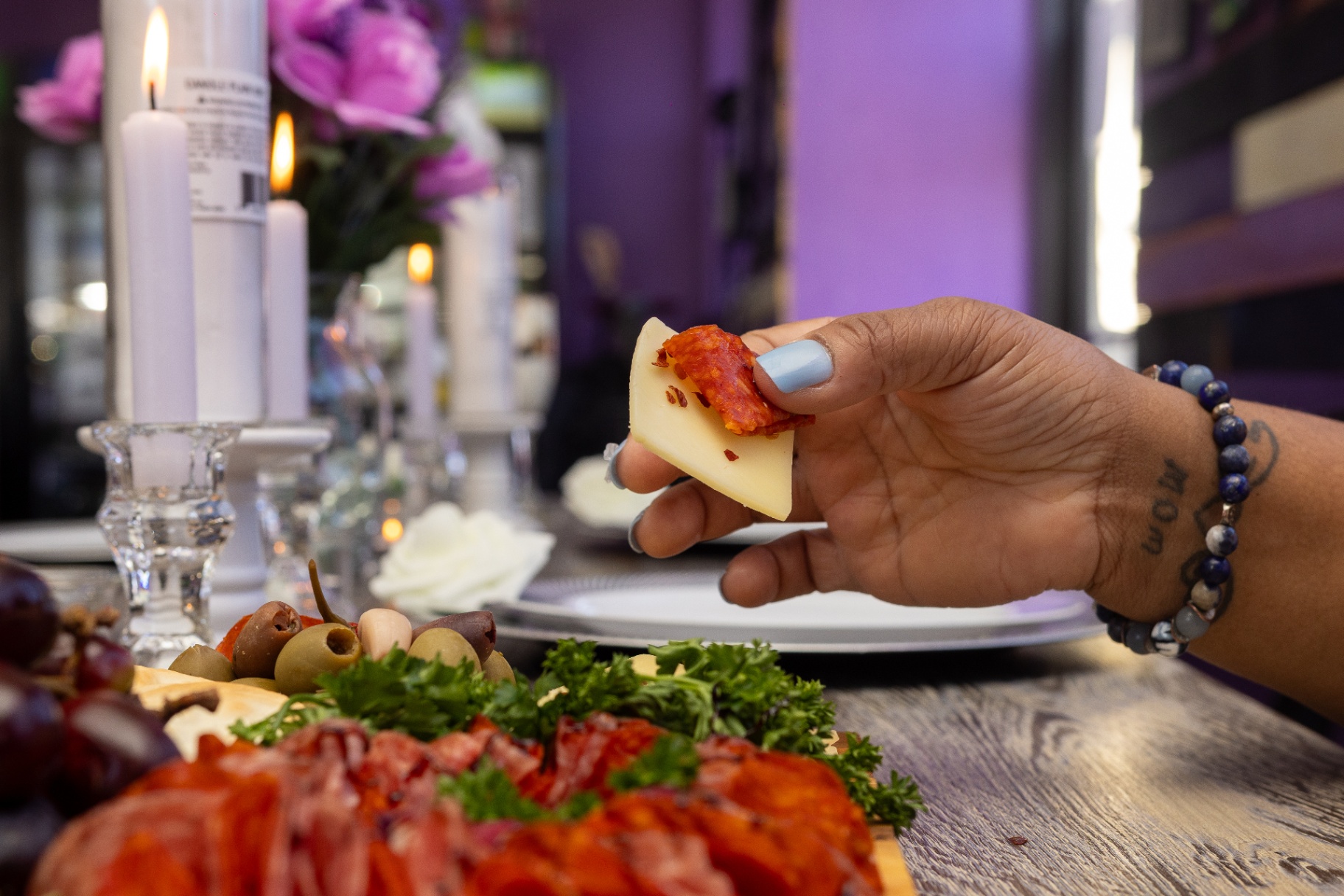
Imagine walking into a space that was literally designed with your intimate celebration in mind. That's exactly what specialized micro wedding venues offer! These gems focus exclusively on smaller gatherings, and boy, do they know how to make every detail count.
The biggest advantage? These venues are stress-reduction champions. They've perfected the art of intimate celebrations, handling everything from setup to cleanup with the kind of attention you'd get from your best friend who happens to be a professional event planner. Many offer all-inclusive packages that bundle together décor, coordination, catering (hello, that's where we come in!), and sometimes even photography.
Think about venues like "The Courtyard" in Arizona or similar intimate spaces that cap their guest lists at 50 or fewer. They're not trying to be everything to everyone – they're laser-focused on creating magical moments for couples who want that cozy, personal vibe.
The service level at these specialized spots is incredible. Since they're not juggling massive 200-person weddings, your coordinator can focus entirely on making your 25-guest celebration absolutely perfect. Every napkin fold, every flower placement, every bite of food gets the attention it deserves.
The Flexibility of Traditional Spaces
Now, don't count out traditional venues just yet! There's something really appealing about having options – and traditional spaces give you flexibility in spades. Want to get married in a historic inn? A gorgeous garden? An industrial loft with exposed brick? Traditional venues come in every style imaginable.
Here's where it gets interesting: many traditional venues are actually thrilled to work with smaller guest lists. Think about it from their perspective – less wear and tear, easier setup, and often higher profit margins per guest. You might be surprised at how accommodating they can be!
The real beauty of traditional spaces lies in vendor flexibility. Instead of being locked into an all-inclusive package, you can handpick every professional who touches your day. Already have a photographer you love? Perfect! Want to work with Plum Caterers for your food (smart choice!)? No problem. This à la carte approach can sometimes save money and definitely gives you more creative control.
Key Factors to Consider
Your Planning Style: Are you the type who loves having everything handled, or do you enjoy being involved in every decision? Specialized micro venues lean toward the "we've got this covered" approach, while traditional spaces often require more hands-on planning.
Your Vision: If you have a very specific aesthetic in mind – like a rustic barn vibe or urban industrial feel – traditional venues might give you more options. Specialized micro venues tend to have their own established style (which is usually gorgeous, but might not match your Pinterest boards).
Guest Experience: Consider how your guests will feel in each space. A specialized micro venue might feel more intentionally intimate, while a traditional space might feel like you've "taken over" a larger venue just for your crew.
Timeline Flexibility: Specialized venues often work with tighter, more efficient timelines since they're designed for intimate celebrations. Traditional venues might give you more flexibility if you want a longer celebration or unique timing.
The Real Talk About Costs
Let's address the elephant in the room – money! The truth is, both options can work within various budgets, but they work differently.
Specialized micro wedding venues often have higher per-guest minimums, but their all-inclusive packages can actually provide great value when you add up everything that's included. You're paying for expertise and convenience.
Traditional venues might have lower base costs, especially if you're not hitting their minimum guest counts. But remember – you'll need to coordinate multiple vendors, which takes time and sometimes ends up costing more than expected.

Here's a money-saving tip from someone who's seen it all: regardless of which venue type you choose, having fewer guests means you can splurge on quality. Better food, premium drinks, upgraded linens – your budget goes further when you're feeding 30 people instead of 150.
Making the Decision Work for You
The best venue choice depends on what matters most to you as a couple. If you want a stress-free planning experience and don't mind working within established parameters, specialized micro venues are incredible. If you want maximum creative control and have the time to coordinate multiple vendors, traditional spaces offer amazing possibilities.
Here's what I always tell couples: visit both types of venues. You'll know pretty quickly which vibe feels right for your celebration. Trust your gut – it's usually spot-on!
How Plum Caterers Fits Into Your Plans
Whether you choose a specialized micro venue or a traditional space, exceptional catering can make or break your intimate celebration. At Plum Caterers, we absolutely love working with smaller guest lists because it allows us to focus on creating truly memorable culinary experiences.
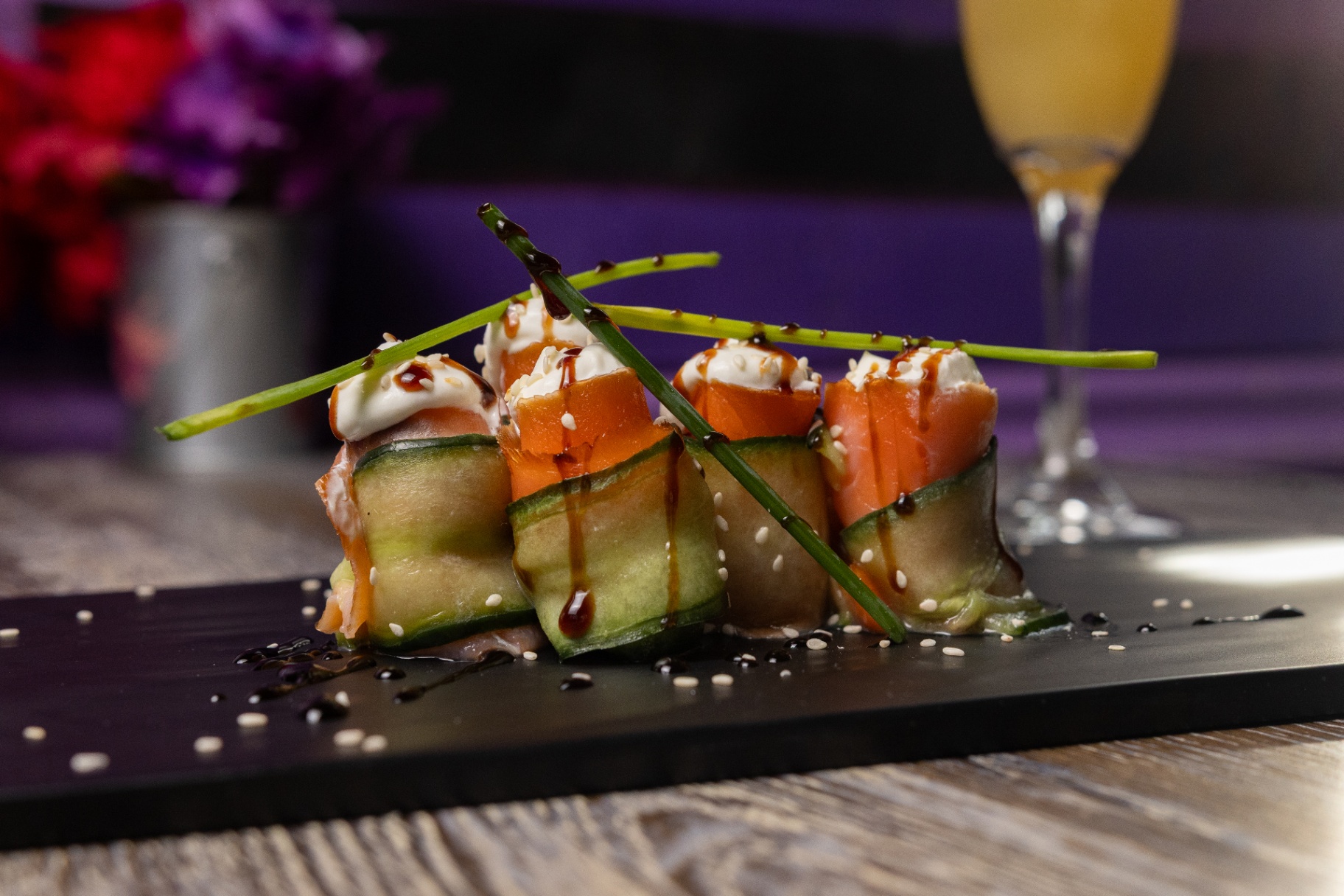
With fewer guests, we can offer more personalized service – think passed hors d'oeuvres where we actually interact with each guest, or plated dinners where every presentation is magazine-worthy. Our catering services are perfect for both venue types, and we're experts at adapting our offerings to work within different venue constraints.

Creating Your Perfect Intimate Celebration
Remember, there's no wrong choice here – only what's right for you! Some couples thrive with the comprehensive approach of specialized micro venues, while others love the creative freedom of traditional spaces. The most important thing is that your venue choice supports the kind of celebration you actually want to have.
Whether you're leaning toward a venue that specializes in intimate gatherings or planning to transform a traditional space for your smaller guest list, the key is working with vendors (like us!) who understand the unique magic of intimate celebrations. When you have fewer guests, every detail matters more – and that's where the real beauty lies.
Your micro wedding or small wedding is going to be absolutely beautiful, no matter which venue path you choose. Focus on what feels authentic to you as a couple, and everything else will fall into place. After all, love is what makes a wedding magical – everything else is just the beautiful backdrop for your story!

Comments